

 English
 русский
 عربى
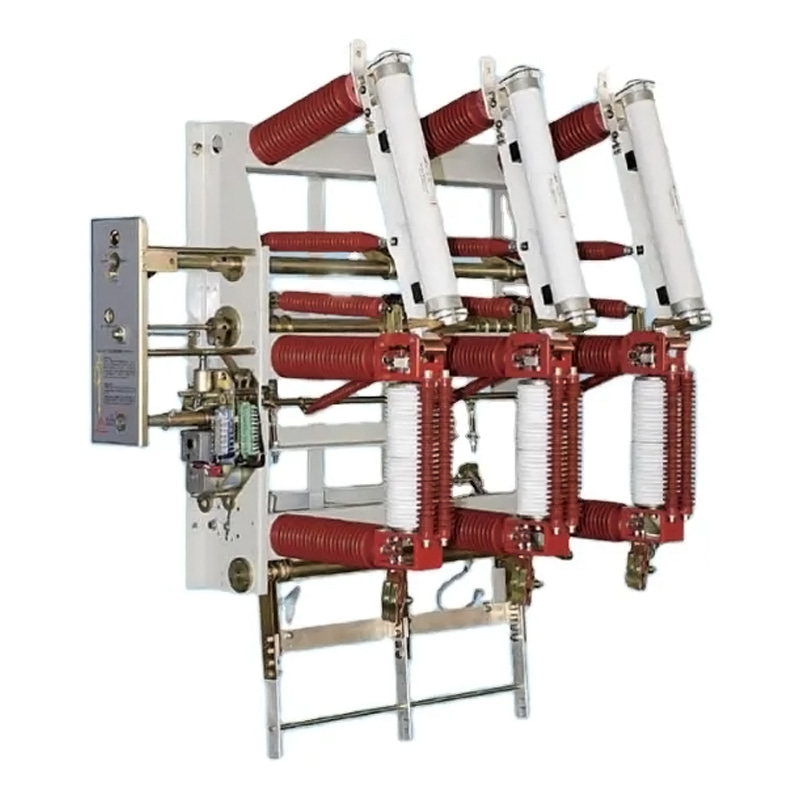
عربىProper installation of a load break switch is essential to ensure safe operation, long service life, and reliable performance in electrical distribution systems. Incorrect installation can result in insulation failure, mechanical malfunction, or reduced reliability under load conditions. Qinghang Electric Co., Ltd., a professional manufacturer of outdoor load break switch and high voltage load break switch, provides detailed installation guidance and support to help engineers and operators implement switches safely and efficiently.
1. Site Selection and Environmental Considerations
Selecting the Correct installation site is the initial step:
Clearance and Accessibility: The switch should be installed in locations that allow easy access for operation, inspection, and maintenance. Sufficient clearance around the switch ensures operator safety.
Environmental Conditions: Outdoor switches must withstand rain, dust, wind, and temperature extremes. Proper installation height and protective enclosures can reduce exposure to environmental stress.
Pollution Level: Areas with high pollution may require switches with higher insulation levels or additional protective coatings to prevent surface tracking and corrosion.
2. Mounting and Mechanical Installation
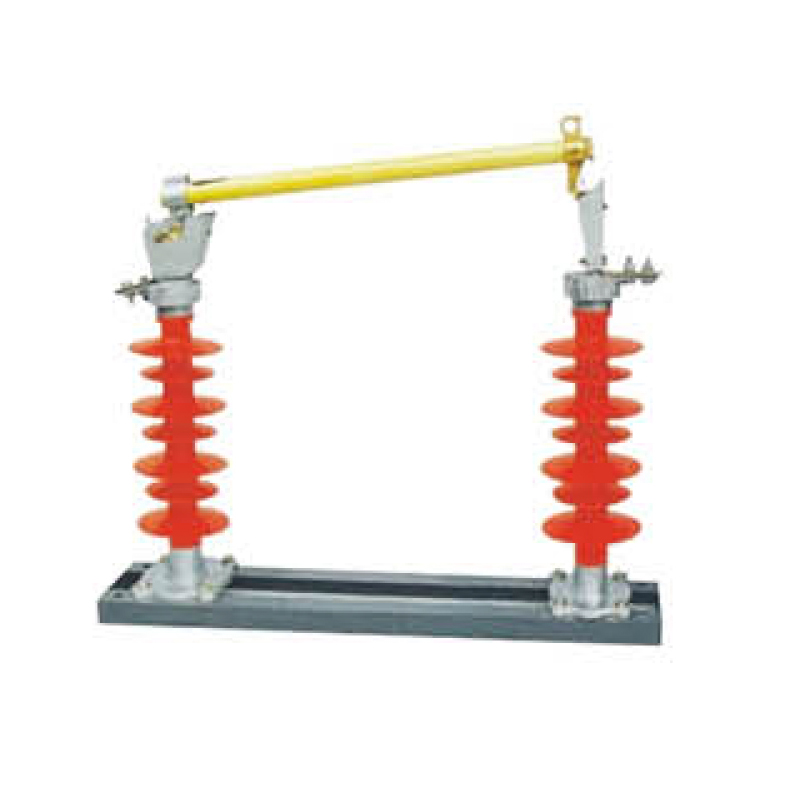
Pole-Mounted or Ground-Mounted Options: Outdoor load break switches can be installed on poles, concrete platforms, or steel structures. Proper anchoring is crucial to ensure stability and resist mechanical stress from wind or vibration.
Alignment and Leveling: Switch contacts must align correctly to ensure smooth operation. Misalignment can cause incomplete contact closure, arcing, or mechanical wear.
Mechanical Connections: Bolts, clamps, and operating rods must be tightened to manufacturer specifications. Qinghang Electric Co., Ltd. provides assembly manuals and torque guidelines to ensure secure connections.
3. Electrical Connections
Rated Voltage and Current Verification: Confirm that the switch’s voltage and current ratings match the system requirements before connecting.
Proper Cable and Busbar Installation: Conductors should be securely fastened, with correct insulation and spacing to prevent accidental contact or overheating.
Earthing and Grounding: Grounding is critical for safety and to ensure fault currents are safely conducted away. All switches should be connected to a proper earthing system according to standards.
4. Operating Mechanism and Control Wiring
Manual vs Motorized Operation: Ensure that the operating mechanism is installed correctly for the intended operation type. Mechanical linkages must move smoothly without binding.
Control Wiring: For switches with remote control or monitoring, wiring should follow manufacturer specifications. Proper insulation and protective conduits are required to prevent electrical faults.
Lubrication and Testing: Apply recommended lubricants to moving parts and perform mechanical operation tests before energizing the switch.
5. Inspection and Testing After Installation
Visual Inspection: Verify that all components, fasteners, and connections are correctly installed.
Mechanical Testing: Operate the switch several times under no-load conditions to confirm smooth operation.
Electrical Testing: Perform insulation resistance and continuity tests to ensure the switch is ready for service. Qinghang Electric Co., Ltd. emphasizes that pre-energization testing is critical to prevent early failures.
6. Safety Considerations
Only trained personnel should install or operate high voltage switches.
Proper personal protective equipment (PPE) must be used during installation and testing.
Follow local electrical codes and international standards, such as IEC 62271, for high voltage equipment.
Attention to site selection, mechanical installation, electrical connections, and testing ensures that the switch operates as intended and reduces maintenance issues. Qinghang Electric Co., Ltd. provides high-quality load break switches and comprehensive installation support to help engineers and operators implement solutions efficiently and safely. Proper installation practices safeguard both personnel and equipment, ensuring smooth and reliable operation of electrical distribution networks.