

 English
 русский
 عربى
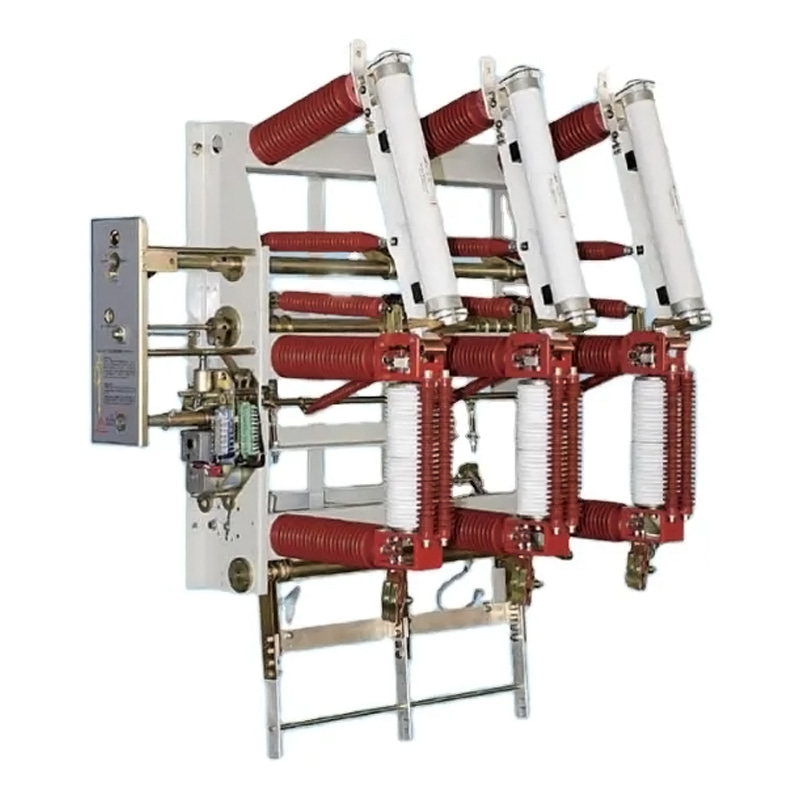
عربىElectrical distribution systems depend on reliable switching devices to control and protect power networks. A Vacuum Circuit Breaker is widely installed in medium-voltage switchgear because it can interrupt fault currents and isolate damaged sections of the grid. In many installations, it works alongside equipment such as a Load Break Switch, which handles normal load switching while the breaker protects the system during abnormal conditions.
Heat generation inside switchgear cabinets is one of the issues that engineers frequently monitor. Although some temperature rise is normal during operation, abnormal overheating can reduce insulation life, damage components, and cause unexpected shutdowns.
Why Temperature Control Matters in Circuit Breakers
Heat buildup inside electrical equipment can affect several internal parts. High temperatures may weaken insulation materials, accelerate aging of mechanical components, and reduce conductor strength over time. Research on high-voltage breakers shows that overheating can accelerate insulation degradation and affect the reliability of current-carrying conductors inside the device.
Electrical standards therefore specify limits for allowable temperature rise in circuit breakers and switchgear assemblies. Regular inspection helps ensure that equipment remains within safe operating conditions.
Common Causes of Overheating in Vacuum Circuit Breakers
Several technical factors can contribute to abnormal temperature increases.
1. Loose Electrical Connections
Loose terminals or busbar connections are one of the more common reasons for overheating in switchgear. When a connection becomes loose, electrical resistance increases.
High resistance connections convert electrical energy into heat. Over time, this heat may raise the temperature of surrounding components and potentially create fire hazards in harsh cases.
Signs of this issue may include:
Discoloration around terminals
Burn marks on connectors
Elevated temperature detected during thermal scanning
Tightening connections during maintenance inspections is an effective preventive measure.
2. Excessive Contact Wear
The contacts inside a vacuum circuit breaker carry electrical current and separate during interruption. Even though the vacuum environment limits contact erosion, repeated operations can gradually wear the contact surfaces.
As contact wear increases, electrical resistance at the contact interface also increases. This resistance can generate additional heat during current flow, which may eventually cause overheating.
Maintenance technicians often measure contact wear and resistance levels during scheduled inspections to prevent such issues.
3. Overcurrent or Excessive Load
Another common cause of overheating is operating the breaker beyond its rated current capacity. Electrical components generate heat when current flows through them, and higher currents result in greater heat production.
Switchgear troubleshooting guides note that overheating frequently occurs during overcurrent conditions or improper load distribution within the system.
Monitoring load conditions and verifying system design limits can help reduce this risk.
4. Poor Ventilation Inside Switchgear Panels
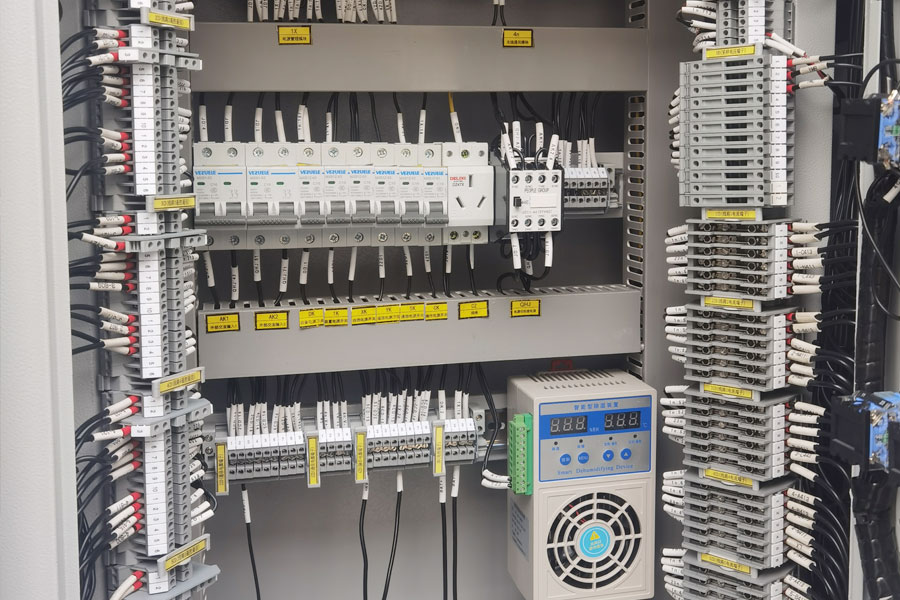
Switchgear cabinets are typically installed in enclosed environments. Without adequate airflow, heat generated by electrical components can accumulate inside the enclosure.
Potential ventilation problems include:
Blocked air vents
Overcrowded cable routing
Poor cabinet layout
High ambient temperatures in electrical rooms
Proper cabinet design and airflow management help maintain acceptable operating temperatures.
5. Environmental Factors
External conditions may also influence equipment temperature. Harsh environments containing moisture, dust, or corrosive gases can accelerate insulation aging and mechanical wear.
High humidity and contamination may cause internal faults or increased resistance in electrical paths, contributing to additional heat generation in the equipment.
Routine cleaning and environmental monitoring are therefore important parts of preventive maintenance programs.
The Role of Load Break Switch Devices in the System
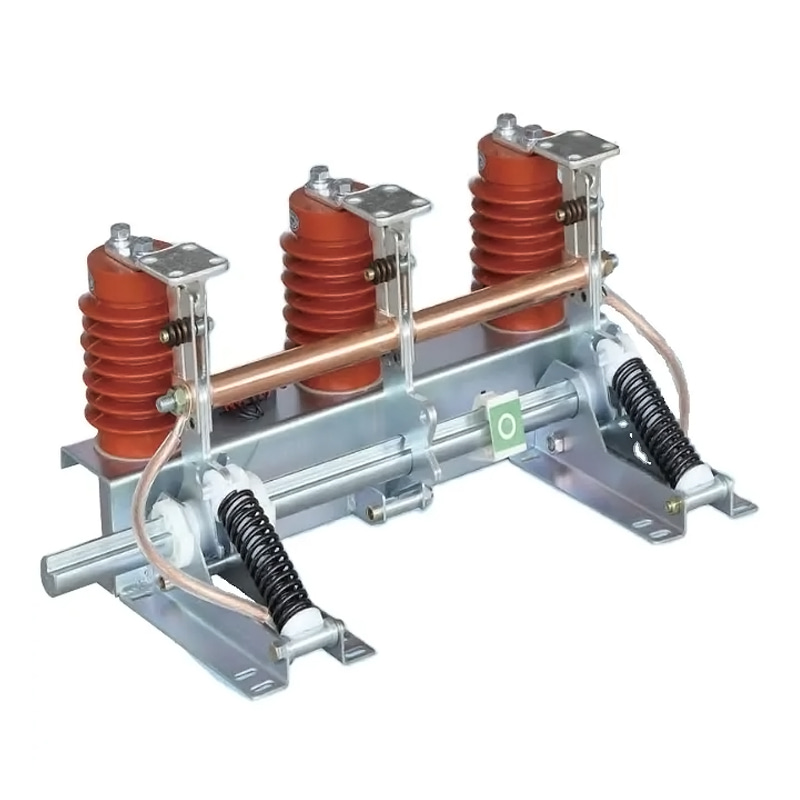
A Load Break Switch is often installed in distribution systems to manage routine switching operations. Unlike a circuit breaker, it interrupts normal load current rather than high fault currents.
Because these switches handle load switching operations regularly, their contacts may experience more mechanical and thermal stress during normal operation. In many switchgear systems, the load break switch performs sectionalizing tasks while the vacuum circuit breaker provides protection against short-circuit faults.
This coordinated operation helps improve system reliability and simplifies maintenance planning.
Preventive Maintenance Tips
To reduce overheating risks, maintenance teams often follow several preventive practices:
Perform thermal imaging inspections of switchgear
Check torque on electrical connections
Monitor contact resistance values
Verify ventilation inside switchgear cabinets
Track operating cycles and load conditions
Manufacturers such as Qinghang Electric Co., Ltd. also recommend maintaining detailed inspection records to track temperature trends and detect abnormal changes before they cause failures.