

 English
 русский
 عربى
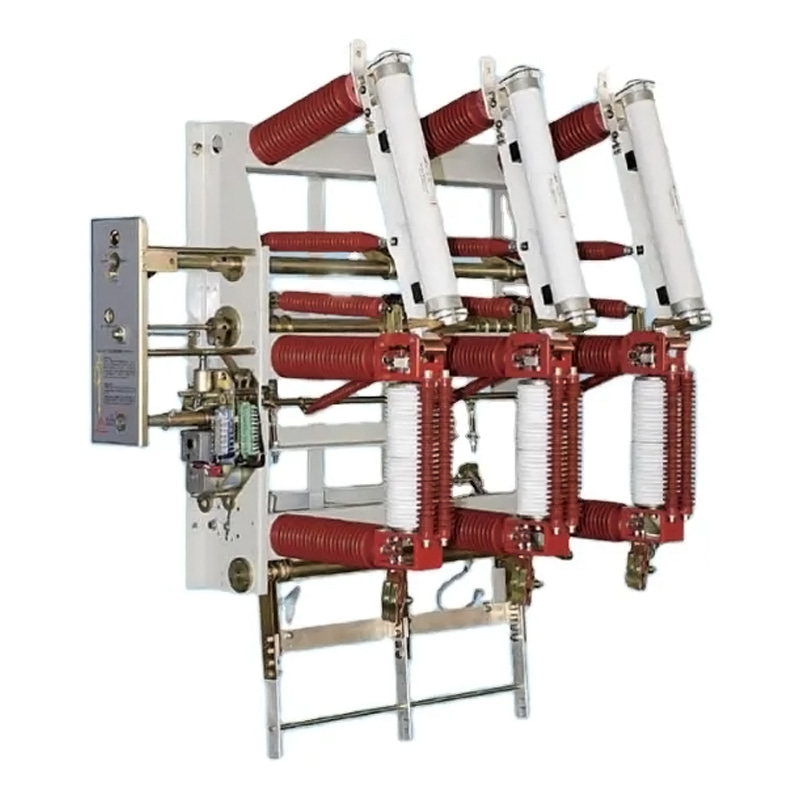
عربىStable power distribution requires switching devices that can operate reliably over long service periods. A Vacuum Circuit Breaker is commonly installed in medium-voltage systems to interrupt fault currents and protect equipment. Along with devices such as the Load Break Switch, these components form the foundation of modern distribution networks used in industrial plants, substations, and commercial power systems.
Maintenance planning is one of the topics frequently discussed by engineers, technicians, and facility managers. Questions often focus on inspection intervals, operating cycles, and how environmental conditions influence maintenance schedules. Establishing a structured maintenance plan helps reduce unexpected outages and extends equipment life.
Understanding the Maintenance Cycle
Vacuum circuit breakers are designed for long operational life. However, mechanical movement, electrical arc energy, and environmental conditions gradually affect internal components.
Industry guidelines suggest several different maintenance intervals depending on operating conditions:
Visual inspection every six months to check for dust, corrosion, or mechanical abnormalities.
Annual inspection and contact resistance testing after several thousand operations.
Major maintenance every 4–6 years depending on usage intensity.
In addition, certain standards recommend inspecting the breaker after approximately 2000 operations or several years of service, whichever occurs primary.
Maintenance schedules are not fixed for every installation. Equipment installed in harsh industrial environments usually requires more frequent inspection than units operating in controlled indoor switchgear rooms.
Key Factors That Influence Maintenance Frequency
Maintenance intervals are influenced by several practical factors.
1. Number of Operating Cycles
Each opening and closing operation causes mechanical movement and electrical stress.
Electrical contacts inside the vacuum interrupter gradually experience erosion during arc interruption. Research indicates that electrical wear typically limits contact life to around 10.000 operations, although mechanical components may withstand far more cycles without load.
Systems with frequent switching operations require shorter inspection intervals.
2. Environmental Conditions
Environmental conditions can significantly influence breaker reliability.
Factors include:
High humidity
Dust accumulation
Corrosive atmospheres
Temperature fluctuations
Dust and moisture may reduce insulation performance or affect moving parts inside the mechanism. Facilities located near heavy industrial areas or coastal regions often schedule inspections more frequently to prevent contamination problems.
3. Fault Interruption Events
Normal switching operations produce limited stress on the equipment. Interrupting short-circuit faults, however, exposes the vacuum interrupter to intense electrical arcs.
After major fault interruptions, technicians usually perform additional inspections to verify:
Contact condition
Vacuum integrity
Mechanical synchronization
These inspections help ensure that the breaker continues operating safely after high-stress events.
Typical Maintenance Checklist
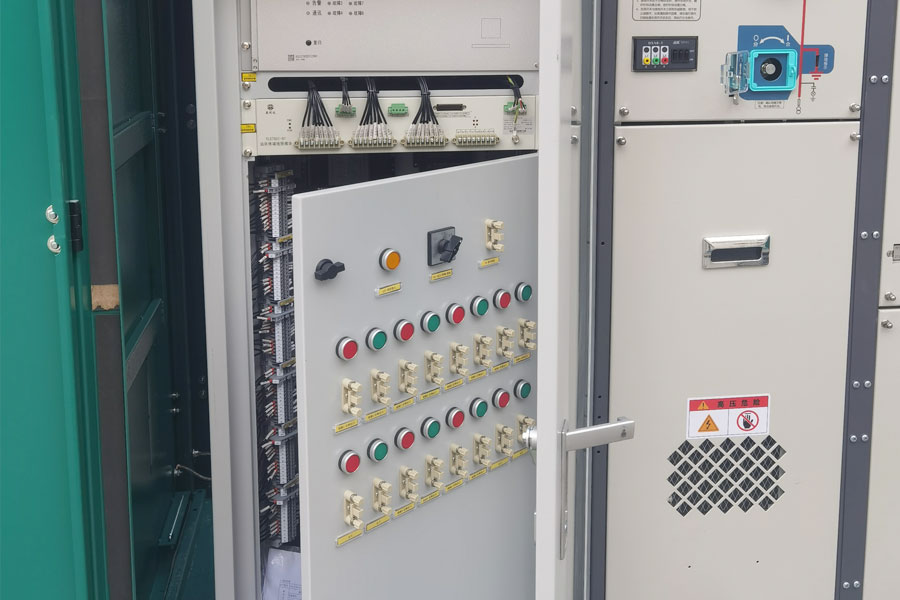
Routine maintenance of a vacuum circuit breaker focuses on several critical components. A structured inspection checklist often includes:
Mechanical Components
Spring energy storage mechanism
Operating linkages and shafts
Mechanical indicators and interlocks
Electrical Components
Closing and tripping coils
Auxiliary contacts
Control wiring and terminals
Vacuum Interrupter Condition
Contact wear measurement
Vacuum integrity testing
Insulation inspection
General Condition
Dust removal from insulation surfaces
Bolt tightening checks
Lubrication of moving components
Regular maintenance ensures that these elements remain within operational tolerances.
Relationship Between Vacuum Circuit Breaker and Load Break Switch
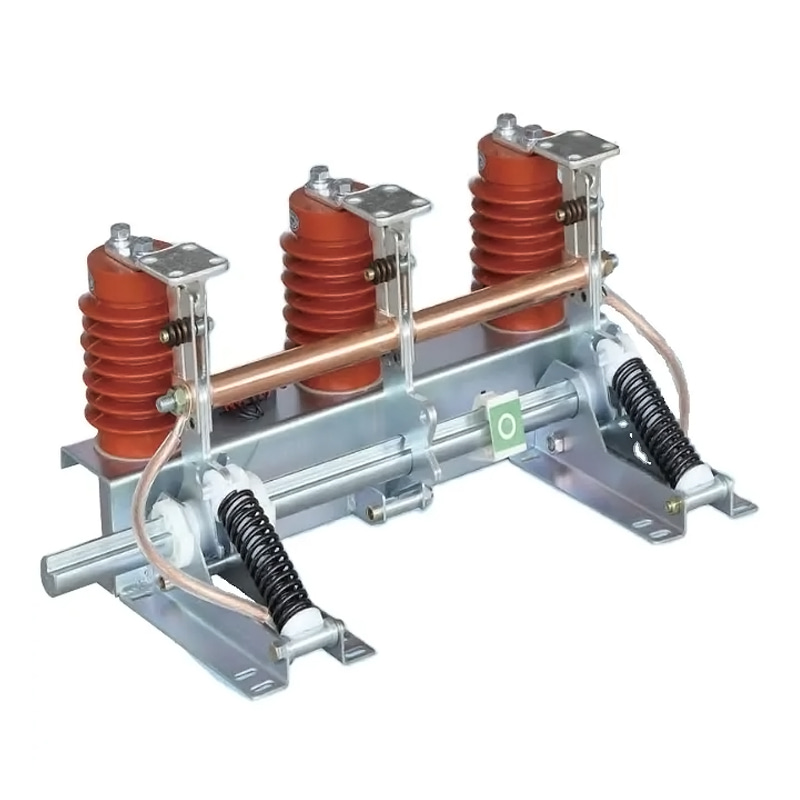
Distribution systems usually combine several types of switching devices. A Load Break Switch is designed to switch normal load currents and isolate sections of the network during maintenance.
The vacuum circuit breaker performs a different role by interrupting fault currents and protecting the system during abnormal conditions. In many substations, both devices are installed in the same switchgear lineup to provide layered protection and operational flexibility.
Understanding this coordination helps engineers develop maintenance plans that address the entire switching system rather than individual devices.
Benefits of Preventive Maintenance
A planned maintenance strategy provides several advantages:
Reduced unexpected outages
Longer equipment service life
Improved operational reliability
Safer working conditions for maintenance personnel
Manufacturers such as Qinghang Electric Co., Ltd. recommend combining routine inspections with condition monitoring techniques. Recording operational data and maintenance results also helps technicians adjust inspection intervals according to real operating conditions.