

 English
 русский
 عربى
عربىPower distribution networks rely on multiple switching devices to control current flow and protect electrical equipment. A Vacuum Circuit Breaker is commonly installed in medium-voltage systems because it can interrupt fault currents and isolate damaged sections of a power network. In the same infrastructure, the Load Break Switch plays a different role by handling routine switching operations and sectionalizing feeders during maintenance.
Engineers designing distribution systems often ask a practical question: which device should be used in a particular situation? The answer depends on system protection requirements, operating conditions, and the expected switching frequency.
Functional Role of Each Device
Electrical switchgear usually combines several components with different responsibilities.
Vacuum Circuit Breaker
Interrupts normal current and fault current
Works with protection relays and sensors
Automatically disconnects circuits during faults
Common in substations and industrial distribution systems
Vacuum circuit breakers extinguish arcs inside sealed vacuum chambers. The vacuum environment quickly stops the arc, allowing the breaker to interrupt high fault currents in medium-voltage systems.
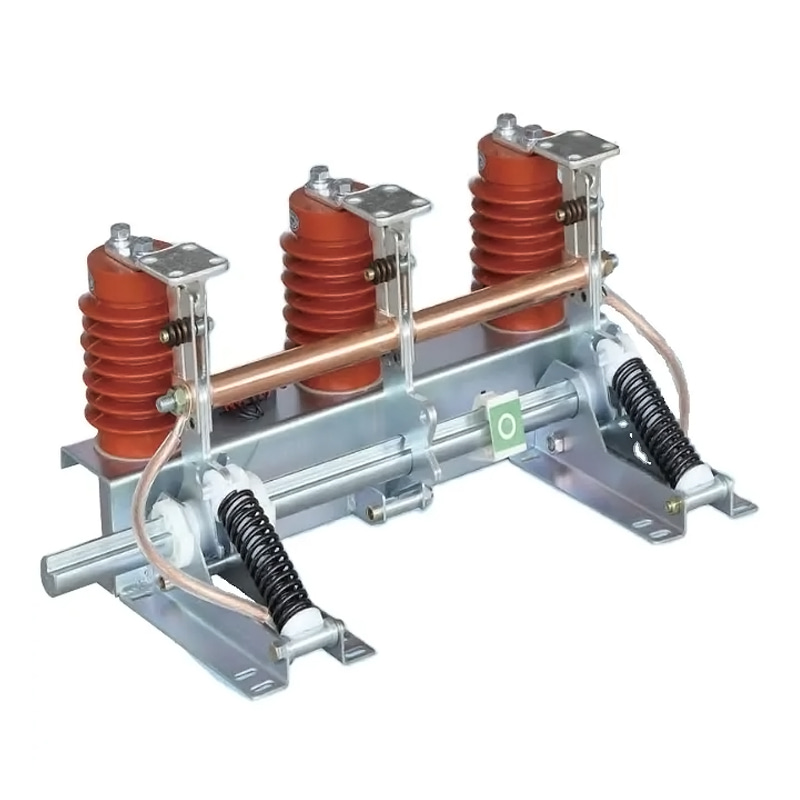
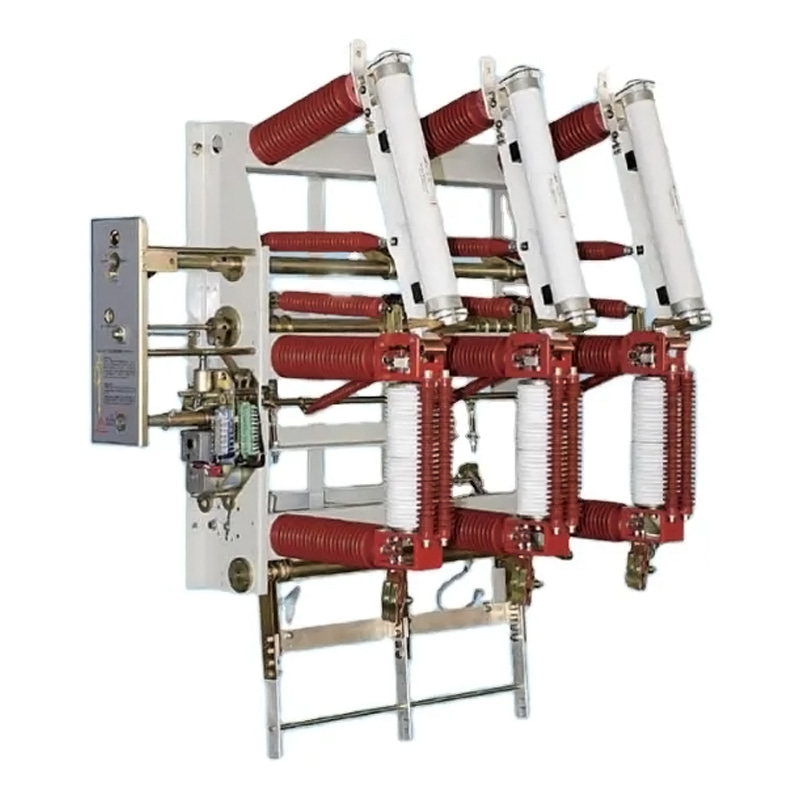
Load Break Switch
Switches normal load current
Provides isolation for maintenance
Often used for feeder control or transformer switching
Usually combined with fuses for fault protection
A load break switch is designed to safely open and close circuits carrying normal operating current. However, it does not normally interrupt short-circuit currents by itself.
Major Differences Between the Two Devices
Although both devices are used in power distribution systems, their capabilities and design purposes are different.
1. Fault Protection Capability
The biggest difference lies in fault interruption ability.
A vacuum circuit breaker can interrupt both normal load current and high fault currents during short circuits.
A load break switch can interrupt load current but usually cannot safely break a short-circuit current.
Because of this difference, circuit breakers are typically connected with protection relays that automatically trip during abnormal conditions.
2. Automation and Control
Control methods also vary between the two devices.
Circuit breakers often support:
Remote monitoring
Automatic protection operation
Integration with digital protection systems
Load break switches are frequently operated manually or by simple motor mechanisms and may rely on external protection devices such as fuses.
This makes circuit breakers more suitable for systems requiring fast response to electrical faults.
3. Current Rating and Breaking Capacity
The electrical capacity of the devices differs significantly.
Typical characteristics include:
Load break switch: designed for normal operating currents and limited overload conditions
Vacuum circuit breaker: capable of interrupting large fault currents in the system
Some technical comparisons show that circuit breakers can handle thousands of amperes of current while load break switches are designed for much lower breaking capacities.
This difference is critical in protection planning for medium-voltage networks.
Typical Application Scenarios
Electrical engineers select switching equipment based on the role it must perform within the system.
Common Applications for Vacuum Circuit Breakers
Industrial power distribution systems
Utility substations
Large motor protection
Capacitor bank switching
These environments require reliable interruption of fault currents and automatic protection coordination.
Common Applications for Load Break Switches
Transformer feeder switching
Sectionalizing distribution lines
Isolating equipment during maintenance
Ring main units in medium-voltage networks
In many cases, a load break switch is paired with high-voltage fuses to provide basic protection for transformers or distribution feeders.
Using Both Devices in One System
Modern distribution networks rarely rely on a single switching device. Instead, multiple components are combined to achieve safe operation.
A typical configuration may include:
Vacuum circuit breaker for main feeder protection
Load break switches for sectionalizing or isolation
Protection relays and monitoring systems
This layered approach helps operators isolate faults quickly while maintaining power supply to unaffected areas.
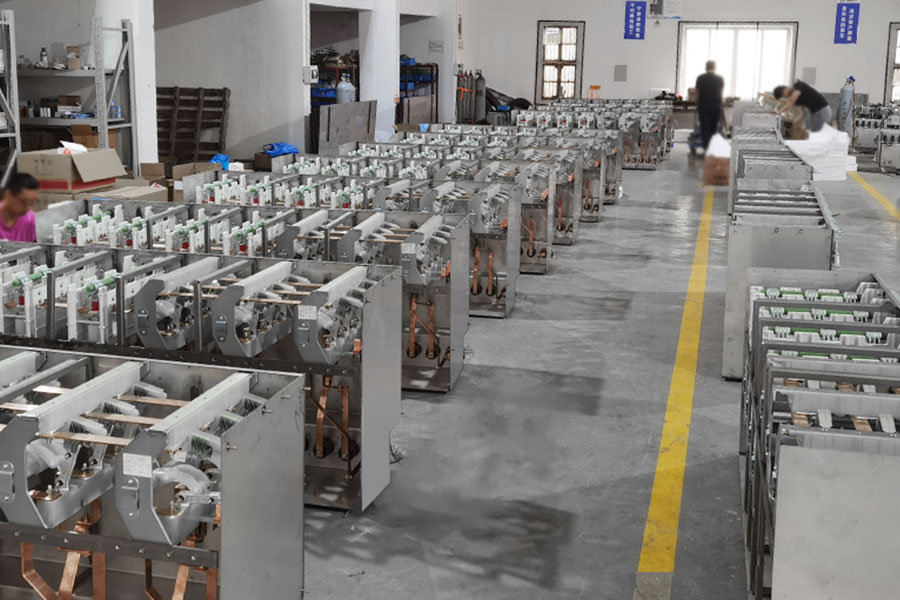
Manufacturers such as Qinghang Electric Co., Ltd. design switchgear solutions that integrate these devices within compact medium-voltage cabinets. Proper coordination between the breaker and switching equipment improves system stability and simplifies maintenance operations.
Choosing the Right Equipment
Several practical factors influence the decision between these devices.
Engineers usually consider:
Required fault protection level
Rated system voltage and current
Switching frequency
Installation environment
Automation and monitoring needs
Systems requiring automatic protection and high fault interruption capability generally rely on vacuum circuit breakers. Installations focused on simple load control or feeder isolation often use load break switches.