

 English
 русский
 عربى
عربىReliable switching equipment plays a central role in modern power distribution systems. Equipment such as the Vacuum Circuit Breaker is widely used in medium-voltage networks because it can interrupt current safely and maintain system stability. Alongside devices like the Load Break Switch, these components help utilities and industrial facilities control electrical loads and isolate faults in distribution networks.
Operational reliability depends not only on design but also on correct installation and maintenance. Engineers and technicians sometimes encounter situations where a vacuum circuit breaker refuses to close, preventing the circuit from being energized.
Common Reasons a Vacuum Circuit Breaker Fails to Close
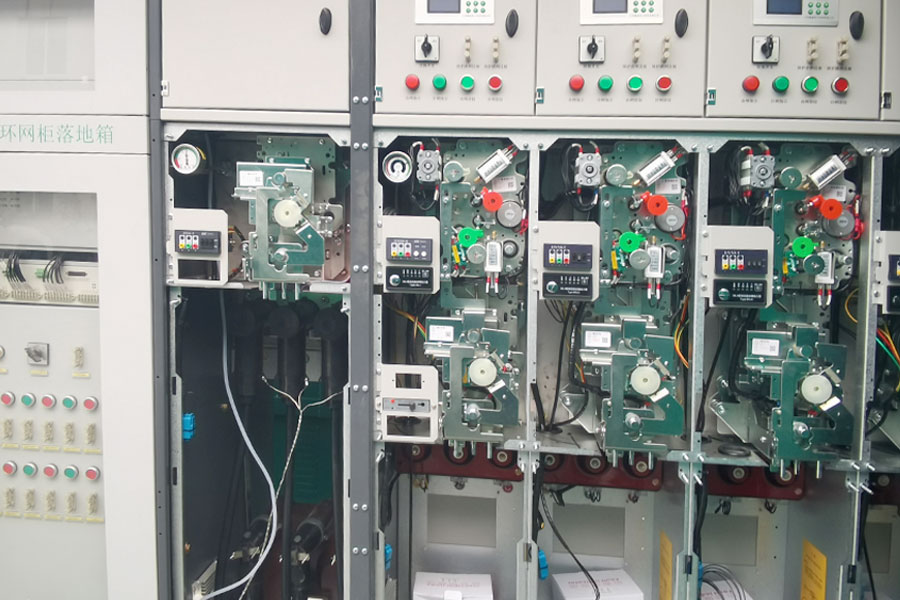
Several electrical and mechanical factors may prevent a breaker from completing the closing operation. Maintenance engineers often start troubleshooting by checking the following areas.
1. Power Supply Issues
The closing mechanism of a vacuum circuit breaker typically relies on a stable control power supply. Insufficient voltage or problems in the rectifier or control module may prevent the closing coil from operating.
Technical documentation shows that unstable power supply or malfunction of the rectification circuit can stop the breaker from closing properly.
Typical symptoms include:
Closing button produces no mechanical movement
Closing coil fails to energize
Control indicators remain inactive
Routine inspection of the control voltage and auxiliary circuits is an important primary step during troubleshooting.
2. Mechanical Mechanism Problems
Mechanical components such as springs, linkages, and latches form the core of the operating mechanism. These parts experience repeated stress during opening and closing cycles.
Possible mechanical causes include:
Jammed operating linkages
Worn transmission components
Incomplete spring energy storage
Misaligned moving contacts
Over time, fatigue in the spring mechanism or mechanical wear may prevent the operating system from completing the closing movement.
Regular lubrication and mechanical inspection can help reduce these problems.
3. Control Circuit Faults
A vacuum circuit breaker depends on multiple auxiliary circuits that transmit commands from the protection relay or control system.
Problems may occur in areas such as:
Broken wiring in the control circuit
Faulty auxiliary switches
Failure of the closing coil or trip coil
Incorrect relay settings
Electrical faults in the control circuit can interrupt the command signal, preventing the breaker from responding even though the mechanical parts remain functional.
4. Contact Wear or Vacuum Degradation
The vacuum interrupter is the key component inside a vacuum circuit breaker. It contains contacts sealed in a vacuum environment to extinguish electrical arcs.
Over long service periods, contacts may erode due to repeated operations. Reduced vacuum level or worn contacts can affect the breaker's electrical performance and reliability.
Possible indicators include:
Increased contact resistance
Abnormal operating noise
Reduced interrupting capability
Periodic inspection of interrupters helps detect these issues early.
5. Environmental Conditions
Environmental factors can also influence breaker operation.
Examples include:
High humidity causing insulation degradation
Dust accumulation on insulation surfaces
Corrosive atmospheres affecting metal components
Dust and moisture can cause insulation problems or flashover conditions on insulating parts.
Facilities located in industrial or coastal environments usually require more frequent maintenance checks.
Practical Troubleshooting Steps
Maintenance engineers typically follow a structured approach when diagnosing closing failures.
Step-by-step inspection may include:
Check the control power supply and auxiliary voltage.
Inspect the closing coil and electrical connections.
Verify the spring energy storage mechanism.
Examine mechanical linkages and operating shafts.
Test the vacuum interrupter and contact resistance.
This systematic process helps isolate the fault and restore operation efficiently.
Relationship with Load Break Switch Devices
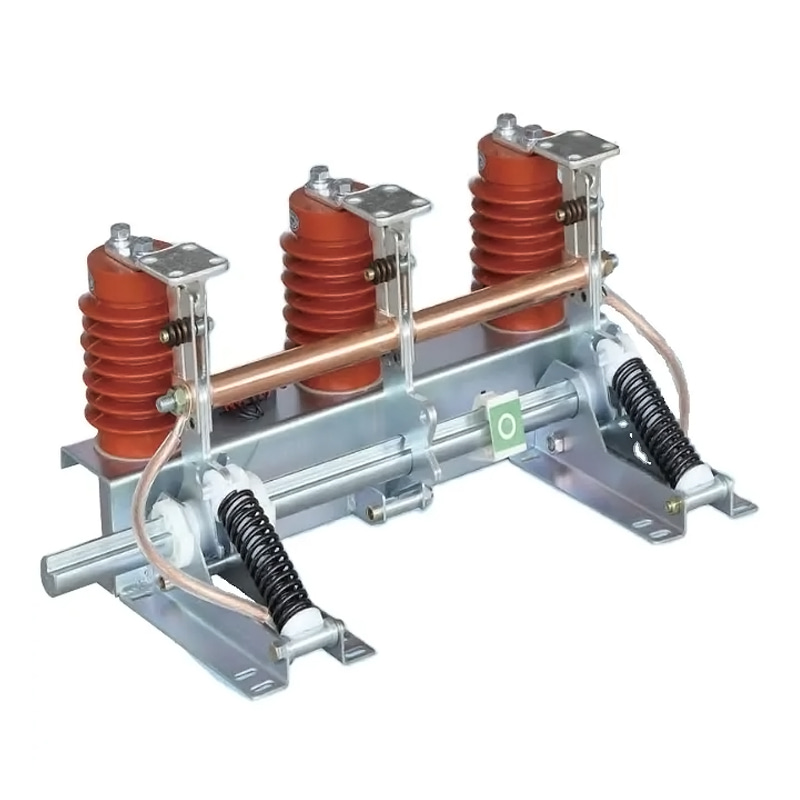
Power distribution systems usually contain several switching devices performing different tasks. A Load Break Switch is commonly used for switching normal load currents and isolating sections of the network, while a vacuum circuit breaker handles fault current interruption.
Both devices work together within substations and distribution cabinets. While the load break switch manages routine switching operations, the circuit breaker provides protection against short circuits and abnormal conditions. Understanding their roles helps engineers design safer electrical systems.
Maintenance Strategies to Improve Reliability
Preventive maintenance remains the more effective method to reduce operational issues.
Recommended practices include:
Periodic mechanical inspection
Control circuit testing
Contact wear measurement
Insulation resistance testing
Environmental cleaning inside switchgear panels
Manufacturers such as Qinghang Electric Co., Ltd. also emphasize regular functional testing during maintenance cycles to ensure equipment remains dependable over long service periods.