

 English
 русский
 عربى
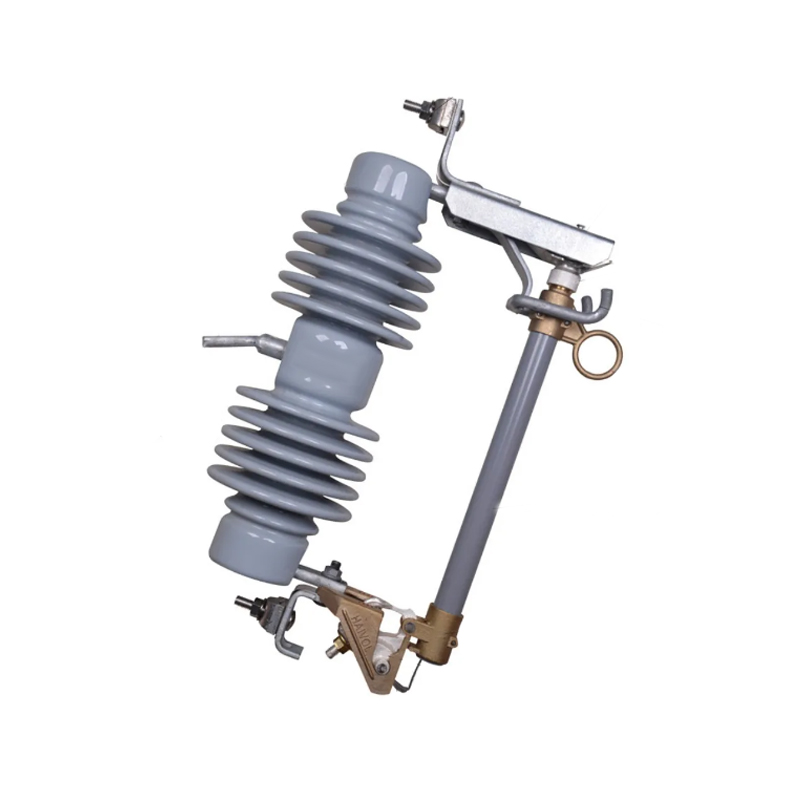
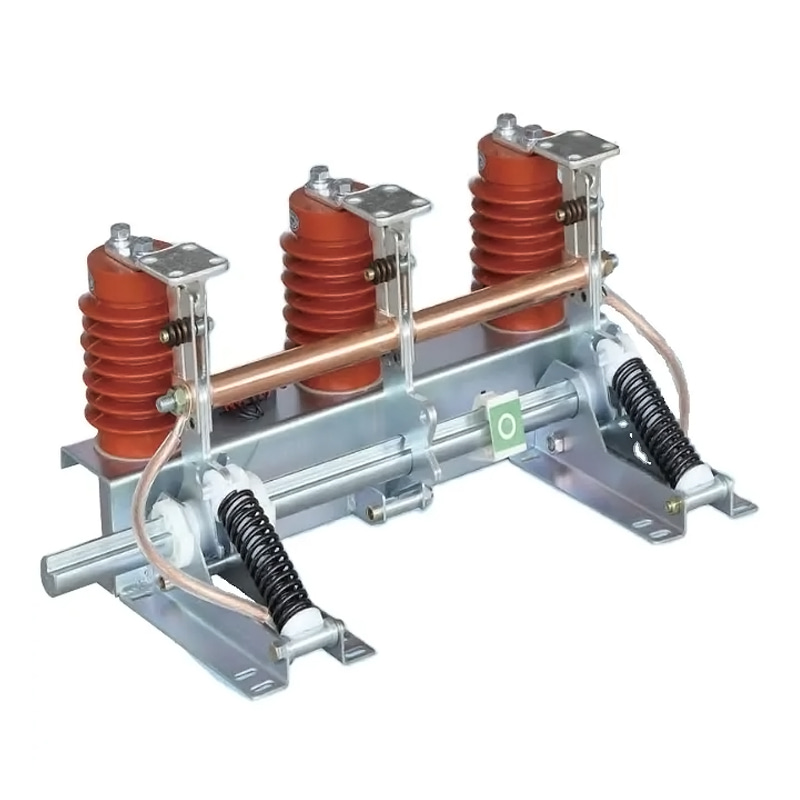
عربىUnderstanding the difference between an outdoor load break switch and a high voltage load break switch versus a traditional isolator is crucial for designing and maintaining safe electrical distribution networks. Selecting the Correct switch type affects system reliability, maintenance procedures, and operational safety. Qinghang Electric Co., Ltd., a manufacturer specializing in high and low voltage distribution cabinets, provides both load break switches and isolators designed to meet rigorous standards and various network requirements.
1. Purpose and Function
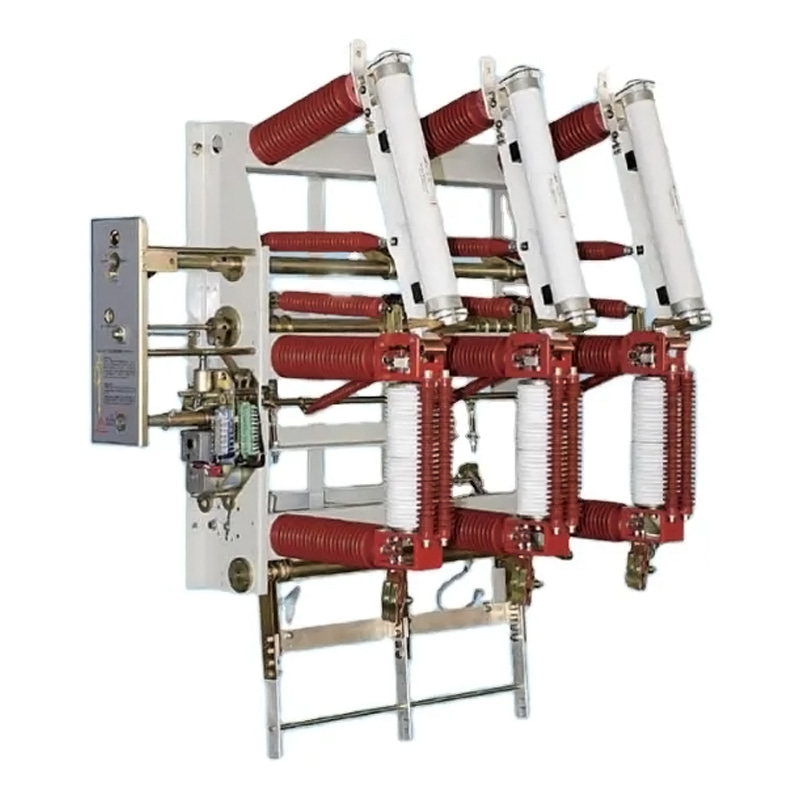
The primary function of a high voltage load break switch is to interrupt load current under normal operating conditions. Unlike isolators, which are mainly designed to provide a visible separation point for safety during maintenance, load break switches can safely switch the current without causing equipment damage.
Key differences:
Load Break Switch: Interrupts normal load currents, provides limited fault current breaking capability, often equipped with arc-quenching devices.
Isolator: Designed for no-load operation, used for isolating a section of the network; cannot break load current safely.
2. Arc Quenching Technology
A significant distinction lies in the arc-quenching mechanism. High voltage load break switches are equipped with arc chambers, vacuum interrupters, or SF6 insulation to safely extinguish the electric arc during switching. In contrast, isolators lack arc-quenching capabilities, making them unsuitable for switching load currents. Proper understanding of this difference prevents equipment failure and ensures operator safety.
3. Installation Considerations
Outdoor Load Break Switches are often installed on pole-mounted structures, outdoor substations, or industrial facilities. They must be rated for environmental conditions such as humidity, dust, and temperature extremes.
Isolators are simpler in design but must be clearly marked and easily accessible to ensure safety during maintenance.
The correct installation ensures that both devices perform their intended functions and comply with industry standards like IEC 62271.
4. Maintenance and Reliability
Maintenance requirements differ between the two devices:
Load Break Switches require periodic inspection of contacts, arc chambers, and mechanical operation to ensure reliable switching under load conditions. Qinghang Electric Co., Ltd. provides detailed maintenance guidelines and inspection schedules for all high voltage load break switches.
Isolators require less frequent maintenance but must be checked to ensure the isolation gap is clear and mechanical parts are free from corrosion or damage.
5. Practical Applications
Industrial Distribution Networks: High voltage load break switches allow safe operation during equipment start-up, load transfers, or temporary isolation of equipment without shutting down the entire network.
Utility Networks: Isolators provide visible separation points for safe maintenance and emergency disconnection but cannot interrupt live loads.
Outdoor Substations: Load break switches protect transformers and feeder lines, while isolators mark isolation points for maintenance crews.
6. Choosing Between Load Break Switch and Isolator
When designing a high voltage distribution system, it is essential to evaluate the following:
Load Interruption Requirement: If the switch must interrupt current under normal load, a load break switch is necessary.
Maintenance Safety: Isolators are ideal for creating visible isolation points.
Environmental Conditions: Outdoor installations require switches designed to withstand weather, pollution, and mechanical stress.
System Reliability: Combining both devices in strategic locations can improve operational flexibility and reduce downtime.
Qinghang Electric Co., Ltd. offers high-quality load break switches and isolators that meet international standards, providing reliable solutions for various high voltage distribution applications. Proper device selection and installation help prevent electrical faults, improve maintenance efficiency, and safeguard both equipment and personnel.