

 English
 русский
 عربى
عربىWith the increasing need for compact and efficient electrical installations, many engineers and project teams are evaluating how both MV & LV switchgear can coexist safely and effectively in shared spaces. Whether you are upgrading an existing MV and LV power distribution setup or planning a new facility, understanding the implications of placing medium and low voltage switchgear together is essential for safety, accessibility, and compliance with industry practices.
1. Can MV and LV Switchgear Share the Same Room?
A common question from professionals is whether it’s acceptable to house both MV and LV switchgear in the same switchroom. The short answer is that yes, they can be in the same room, provided that appropriate physical separation, barriers, and access controls are in place. According to engineers discussing similar configurations, local codes and safety standards dictate the level of separation but do not universally require totally separate rooms. Often, the MV section should be physically separated using barriers, cages, or locked areas accessible only by authorized trained personnel.
This approach allows operational flexibility while maintaining safety for technicians who may only be qualified to work within LV systems, avoiding unintentional exposure to medium voltage circuits.
2. Safety and Access Control Requirements
Safety is a primary driver for how mv and lv power distribution equipment are arranged in shared spaces. Forum contributors emphasize that when MV switchgear is placed alongside LV gear, the room should be locked and restricted to qualified personnel. Moreover, barriers or cages that clearly segregate MV gear not only reduce the risk of accidental contact but also help meet regulatory and code‑based requirements.
For example, interviewees and electrical professionals generally agree that if it’s not possible to erect physical barriers, then the room may need to be treated under higher voltage protocols to ensure that all personnel accessing the room are trained to work around MV equipment safely.
Practically, this could mean separate access points, signed permit systems, and controlled lockout procedures that prevent low voltage technicians from inadvertently entering MV zones without proper clearance.
3. Environmental and Operational Considerations
Beyond safety and access control, environmental factors also influence the practicality of a shared switchroom for MV and LV switchgear. Proper ventilation is critical, especially when these devices generate heat during normal operation or under load. Excessive heat build‑up can degrade insulation and shorten equipment life, so adequate airflow, ventilation systems, and even thermal management strategies should be integrated into switchroom design.
For example, certain guidelines recommend partitioning spaces or installing ambient climate controls when MV gear is located near LV gear and other electrical components to reduce heat stress and potential condensation.
Dust, humidity, and contaminants can further impact the performance of both medium and low voltage switchgear components. Ensuring that both systems are installed in an enclosure that minimizes environmental stress can help prolong equipment life and reduce maintenance needs.
4. Installation, Maintenance and Coordination
Planning for installation and ongoing maintenance adds another layer of complexity when MV and LV switchgear share a room. Careful layout planning must account for proper clearances, safe egress paths, cable routing, and space for future expansion or service. In shared switchrooms, technicians need clear access routes to each section without crossing into restricted voltage zones.
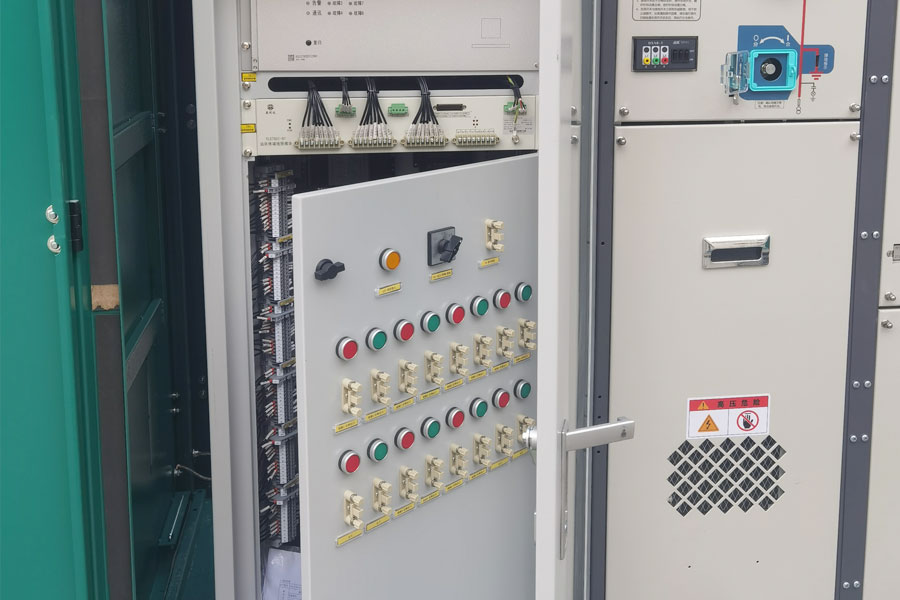
Maintenance planning should include detailed safety procedures that account for the proximity of both voltages. For example, clear instructions on lockout/tagout processes, protective gear requirements, and step‑by‑step isolation procedures ensure that technicians can work safely within the room. For MV compartments especially, remote operation panels or mimic control panels may be used to minimize direct interaction with exposed medium voltage components during routine tasks.
5. Compliance and Local Code Considerations
Finally, compliance with local electrical standards and building codes is critical when housing mv & lv switchgear together. While there may not be a universal requirement for separate rooms, more electrical standards and safety regulations stipulate that adequate separation, access control, and worker safety measures are enforced. For example, codes may specify lock requirements, authorized access only, and safe working clearances to reduce the risk of arc flash and contact hazards.
Engineering discussions also indicate that in some regions, treating the entire switchroom under higher voltage protocols may be required if physical barriers are not feasible.
At Qinghang Electric Co., Ltd., we often work with clients who face space and logistics constraints that make a combined switchroom configuration attractive. However, such setups require careful planning and design to ensure that both medium voltage and low voltage equipment operate reliably and safely without increasing risk for maintenance personnel or system performance.